
AI vs Manual Photo Editing: Which Wins?

 Jared
Jared
본문
AI-driven photo editing has become a game changer for photographers and casual users alike. With AI-powered apps including Picsart, Remove.bg, and Topaz Photo AI, you can now adjust exposure, erase unwanted objects, refine complex textures, or AI-fill missing elements with just a few clicks. These tools leverage deep neural networks fed on vast visual datasets to detect anomalies and apply context-aware corrections that once required days of meticulous editing. For someone who isn’t a professional editor, AI offers a effortless, dependable, and surprisingly nuanced fix.
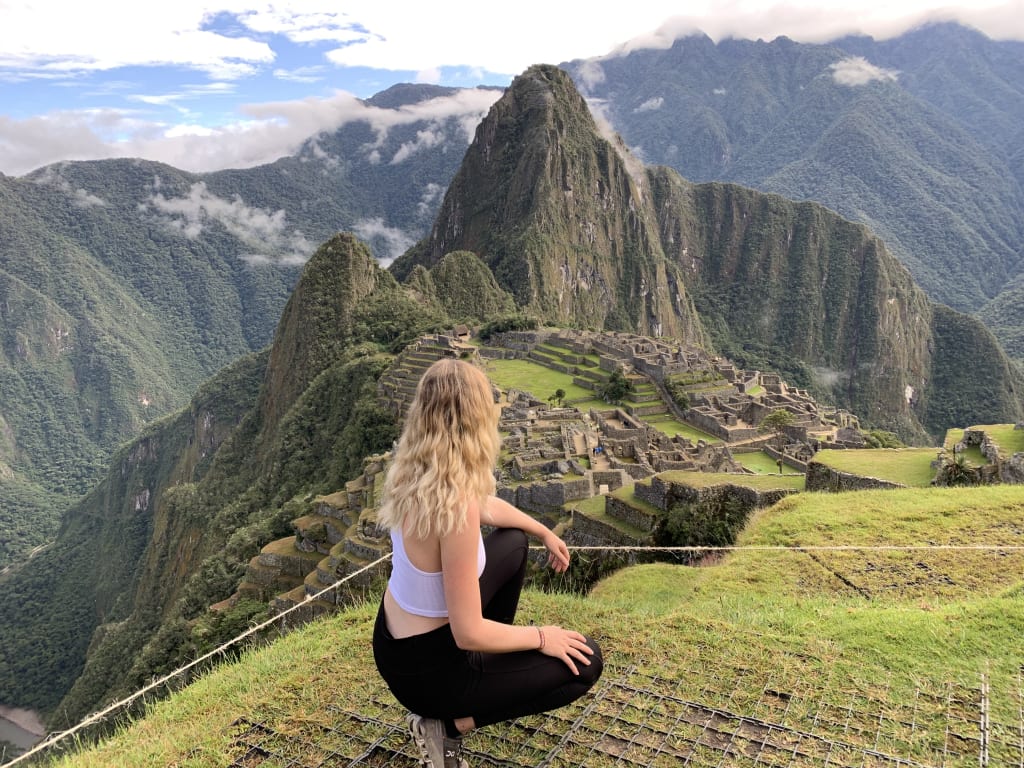
On the other hand, click here manual Photoshop tweaks still hold a unique value. Artists who’ve dedicated lifetimes to refining curves, dodging and burning, color grading, and precise masking can create visuals that automated systems lack the depth to duplicate. Manual editing allows for total creative control. You can fine-tune the depth of dark areas with surgical precision, smoothly merge sky and land without visible seams, or keep intricate weave patterns intact during enhancement. It’s a process that is infused with emotional intelligence, where each tweak echoes creative intent.
Machine learning thrives on volume and uniformity. If you’re editing hundreds of product photos for an online store, or aim to share travel snaps without delay, it’s the only practical choice. It eliminates fatigue-induced mistakes with flawless repeatability. But it also has constraints. AI can confuse textures—transforming strands into smears, erasing natural pores, or inventing fake wrinkles and shadows. It can’t feel the weight of a moment or the subtlety of emotion.
Hand editing, though time-intensive, thrives on subtlety. It’s the difference between a filter that brightens a photo and an artisan who balances golden hour glow with preserved sky detail. Veteran creatives choose manual tools since it gives them the license to defy algorithms and forge originality. AI can offer enhancement options, but it fails to replicate the soul behind a perfect shot.
In many cases, the best approach is a hybrid. Use AI to handle repetitive or tedious tasks—like removing backgrounds or correcting exposure, then switch to manual tools for fine-tuning. This combination delivers speed with uncompromised artistry. As AI continues to evolve, it will likely become even more sophisticated, but the artistic intuition cannot be automated for those who prioritize emotion over efficiency. Ultimately, the choice between AI and manual editing isn’t about which is better—it’s about which serves your goal, your time, and your creative intent.
댓글목록0