
The Hidden Mystery Behind What Is Rice

 Victorina
본문
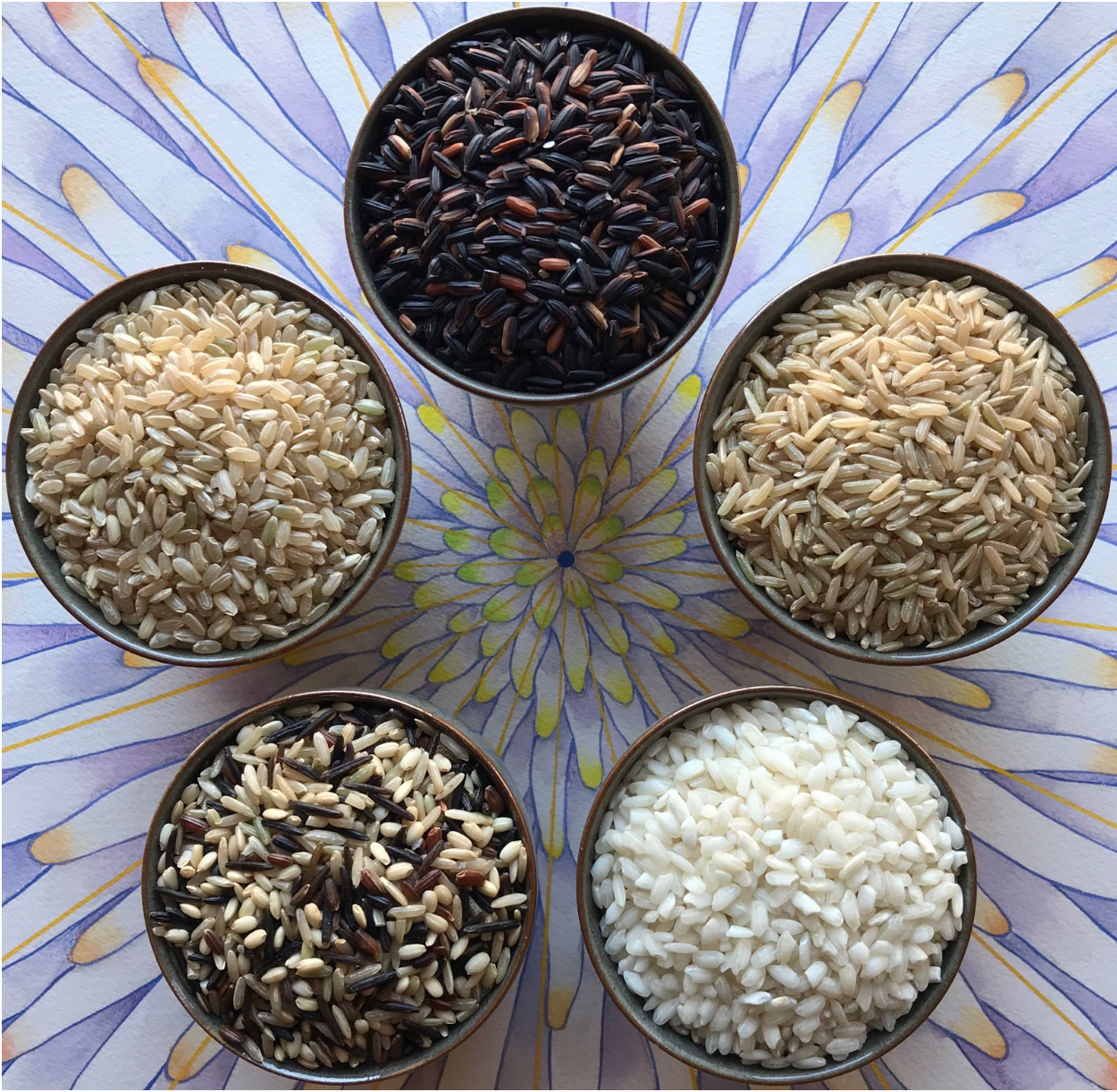 The grains ripen over the subsequent three months, and when ready to harvest, your complete plant is picked from the soil. The unprocessed, unrefined grains go on to be cleaned, polished and packaged before they are used to create the various dishes human society everywhere in the world depends on for nutrition and sustenance. Rice is an integral part of human food culture-regardless of where on this planet you travel, rice is eaten in properties and restaurants, as major programs and as snacks, by rich and poor. How important is rice as a supply of food for humans? After a delicious meal at a Thai, Japanese or other Asian cuisine restaurant, there may be nothing better than some candy sticky rice for dessert. When white rice kinds a serious portion of the weight-reduction plan, there's a risk of beriberi, a disease resulting from a deficiency of thiamine and minerals. Parboiled white rice is specifically processed earlier than milling to retain most of the nutrients, and enriched rice has iron and B vitamins added to it.
Tapioca pudding tends to be a bit decrease in calories, fat and sodium, but rice pudding has extra protein and nutrients, such as calcium and iron. It also comprises three grams of protein and forty eight milligrams of potassium. Koji beef is the frequent misspelling for Kogi beef or "Bul-Kogi" - a kind of marinated Korean barbecue beef. In Korean, "Kogi" interprets to "meat." Bul-Kogi (which can also be spelled bulgogi) is a traditional Korean dish that is made with thin slices of sirloin and other prime cuts of beef. Some chefs wish to marinate their beef longer than this. Rice is usually divided into two forms of species: Indica (adapted to tropical climates like South-East Asia) and Japonica. After at least one or two hours of sitting in the marinade, the Kogi beef will be grilled. The beef must be very thinly sliced earlier than marinating. The panicle, or inflorescence (flower cluster), is product of spikelets bearing flowers that produce the fruit or grain. The panicle, which bears the fruit (on this case, the rice grain), pushes through the leaves and as it fully emerges, produces a flower that may be pollinated. Tapioca pudding is mostly larger in sugar than rice pudding, though recipes can fluctuate.
She used the cassava roots that were brought by a sick sailor who was boarding in her residence to make the pudding, and she eventually offered the recipe to Minute Tapioca Company. Most tapioca wanted to be soaked earlier than using it in pudding, however Minute tapioca doesn't need to be soaked. In case you need an alternate to rice flour for a thickening agent, potato starch is a good option. Tapioca starch or flour is made from the cassava root. The gelatinous balls within the pudding are the cassava root. The cassava plant originated in Brazil. Rice is such an integral a part of the Zojirushi neighborhood, that we’ve deliberate a series of posts about this incredibly versatile and essential plant. How massive do rice plants grow? They often employ trendy milling methods and rely on controlled drying plants instead of on sun drying. Milling often removes both the hull and bran layers of the kernel, and a coating of glucose and talc is generally applied to present the kernel a glossy end. The harvested rice kernel, referred to as paddy, or rough, rice, is enclosed by the hull, what is rice or husk.
While rice pudding is made with rice, tapioca is made from processed cassava, or manioc root (Manihot esculenta). With the exception of the type known as upland rice, the plant is grown on submerged land within the coastal plains, tidal deltas, and river basins of tropical, semitropical, and temperate areas. The cultivated rice plant grows to about 1.2 meters (4 feet) in peak. In hilly areas rice farms are generally terraced to keep the paddies flooded at varied elevations. Other merchandise in which rice is used are breakfast cereals, noodles, and such alcoholic beverages as Japanese sake. More than ninety % of the world’s rice is grown in Asia, principally in China, India, Indonesia, and Bangladesh, with smaller quantities grown in Japan, Pakistan, and numerous countries of Southeast Asia. More than 90 % of the world’s rice is grown in Asia, principally in China, India, Indonesia, and Bangladesh, with smaller amounts grown in Japan, Pakistan, and various Southeast Asian nations.
댓글목록0