
Comparing Solvent-Based vs. Waterborne Paint Systems

 Rita
Rita
본문
When choosing a paint system for a project, one of the most important decisions is whether to use a oil-based or waterborne paint. Both types have been used for decades and each has its own pros and cons depending on the use case, environmental concerns, and durability demands.
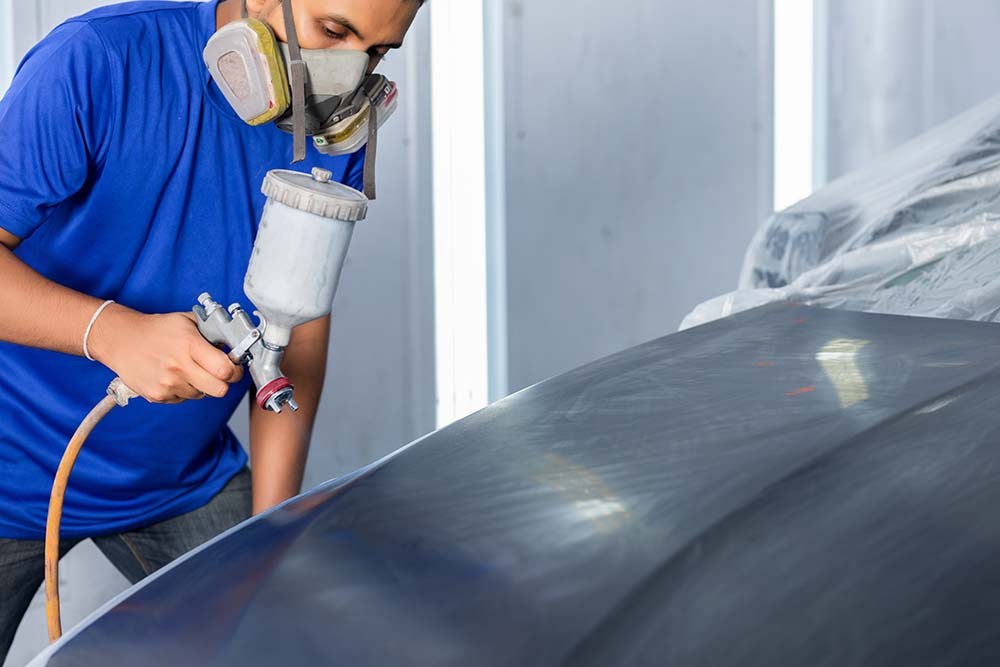
Organic solvent-based paints have long been the standard in heavy-duty and manufacturing applications. They are known for their robustness, rapid cure rate, and excellent adhesion to a diverse materials. These paints use hydrocarbon-based carriers like mineral spirits or acetone to carry the pigment and resin. Once applied, the solvents disperse, leaving behind a tough, protective film. This makes solvent-based paints ideal for high-traffic zones or exposed surfaces where resistance to water, UV, and solvents is essential. However, these solvents release significant amounts of volatile organic compounds into the air. These emissions contribute to air pollution and can be toxic to occupants if proper ventilation and protective equipment are not used. They also require special disposal procedures and are often subject to strict environmental regulations.
Water-based paints, on the other hand, use water as the main solvent for the resin and pigment. This makes them significantly greener with dramatically reduced amounts VOCs. They are easier to clean up with soap and water, and are generally safer to handle. Over the past several decades, advances in aqueous coating science have revolutionized their functionality. Modern waterborne coatings now offer long-term resilience, vibrant longevity, and resistance to chipping and fading. They are regularly specified in home interiors, commercial buildings, and even some automotive applications. One drawback is that they can take longer to dry under chilly, damp environments and may not adhere as well to certain surfaces without suitable primer. They can also be easily affected by ambient heat during application.
The choice between the two systems often comes down to weighing durability against eco-impact and worker protection. For extreme operational settings where maximum hardness is required, oil-based paints may still be the industry standard. For typical projects, especially where ventilation standards and regulatory compliance are priorities, low-VOC systems offer a practical solution. Many manufacturers now offer blended technologies that combine the best of both worlds to deliver strong results with lower emissions.
Ultimately, the best choice depends on the project requirements, regional environmental laws, and the ideal trade-off among ease of use, durability, and green compliance. Understanding the pros and cons of each system helps ensure that the most suitable finish is applied for China PU hardener the job.
댓글목록0