
Mastering Polyurethane Prepolymer Chemistry

 Madeline Orlandi
본문
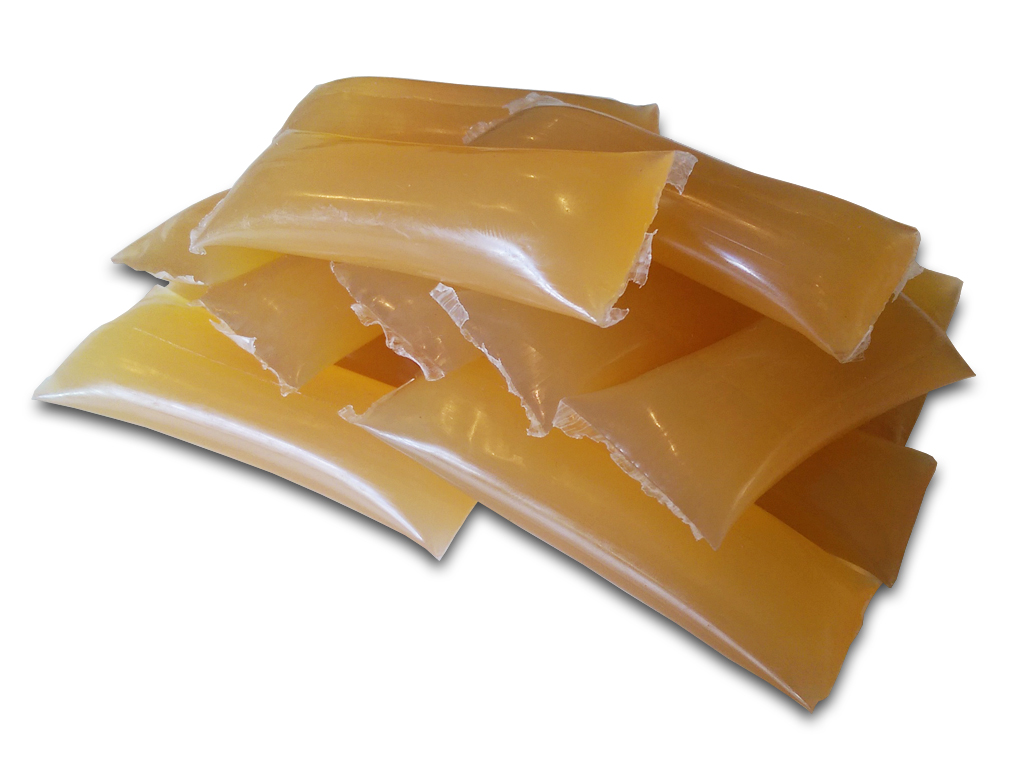
These intermediates are critical building blocks in the production of polyurethane-based products, which are applied across memory foam and thermal barriers to protective layers and sealants. To understand how they work, it helps to examine the fundamental reaction mechanisms behind them. Prepolymers are synthesized by mixing an isocyanate monomer with a hydroxyl-terminated polymer, typically in a precisely tuned stoichiometry that leaves some isocyanate groups unreacted. This creates a macromolecule terminated with isocyanate groups, which can later be extended or crosslinked with curing agents such as water, diamines, or glycols.
The selection of polyol type determines many properties of the final product. Ester-based polyols tend to give superior tensile and tear resistance and excellent chemical stability, while Polyether backbones offer better hydrolytic stability and pliability. Key isocyanate monomers including MDI and TDI are selected based on the target cure speed, toxicity profile, and physical characteristics of the finished application. The NCO-OH coupling reaction is highly heat-releasing and requires precise control to avoid side reactions or overheating.
A defining advantage of prepolymer chemistry is the potential to engineer the chain length and reactivity. By controlling the stoichiometry, chemists can create formulations that transform into soft foams, hard thermosets, or rubber-like materials. A low-MW, Hot Melt Glue supplier high-NCO prepolymer will typically form a stiff, rigid material after chain extension. A higher molecular weight prepolymer with fewer isocyanate groups may yield a highly flexible structure.
Moisture is a critical factor to handle during handling and formulation. NCO functionalities rapidly interact with H₂O to form gas and internal crosslinks, which can cause foaming or unintended crosslinking. That’s why prepolymers are often stored in dry, sealed containers and handled under inert atmospheres when possible.
The adaptability of these chemical platforms comes from this fine-tuned reaction architecture. Through manipulation of monomers, process parameters, and extenders, manufacturers can formulate products spanning soft foams to rigid shells, with varying heat and solvent tolerances. This makes polyurethane prepolymers not just a chemical compound but a versatile molecular scaffold for industrial innovators working throughout manufacturing applications.
댓글목록0