
7 Electroculture Secrets That Turn Struggling Gardens Into Food Freedo…

 Winona Appleroth
본문
Justin Love Lofton here — cofounder of ThriveGarden.com, Electroculture lifer, and the guy who believes your backyard can hit "quit buying store veggies" levels of abundance. If you’re tired of pouring money into fertilizers and still harvesting sad, stringy tomatoes, Thrive Garden Electroculture you’re in the right place.
Picture this: you walk out to your garden in peak summer, and half your beds look like a salad bar after a food fight. Yellowing leaves. Stunted peppers. Cucumbers that gave up at three inches. Meanwhile, grocery store prices in 2026 keep climbing like bindweed on a trellis.
That was Elias Navarro, a 39‑year‑old electrician in Aurora, Colorado, last season. Clay soil like concrete. Poor germination on his carrots. Blossom end rot on his tomatoes. He’d already dropped over $600 in synthetic fertilizers, "organic" sprays, and a fancy smart irrigation controller that mostly watered his weeds. Still, his family of five was buying $80 to $100 of produce every week.
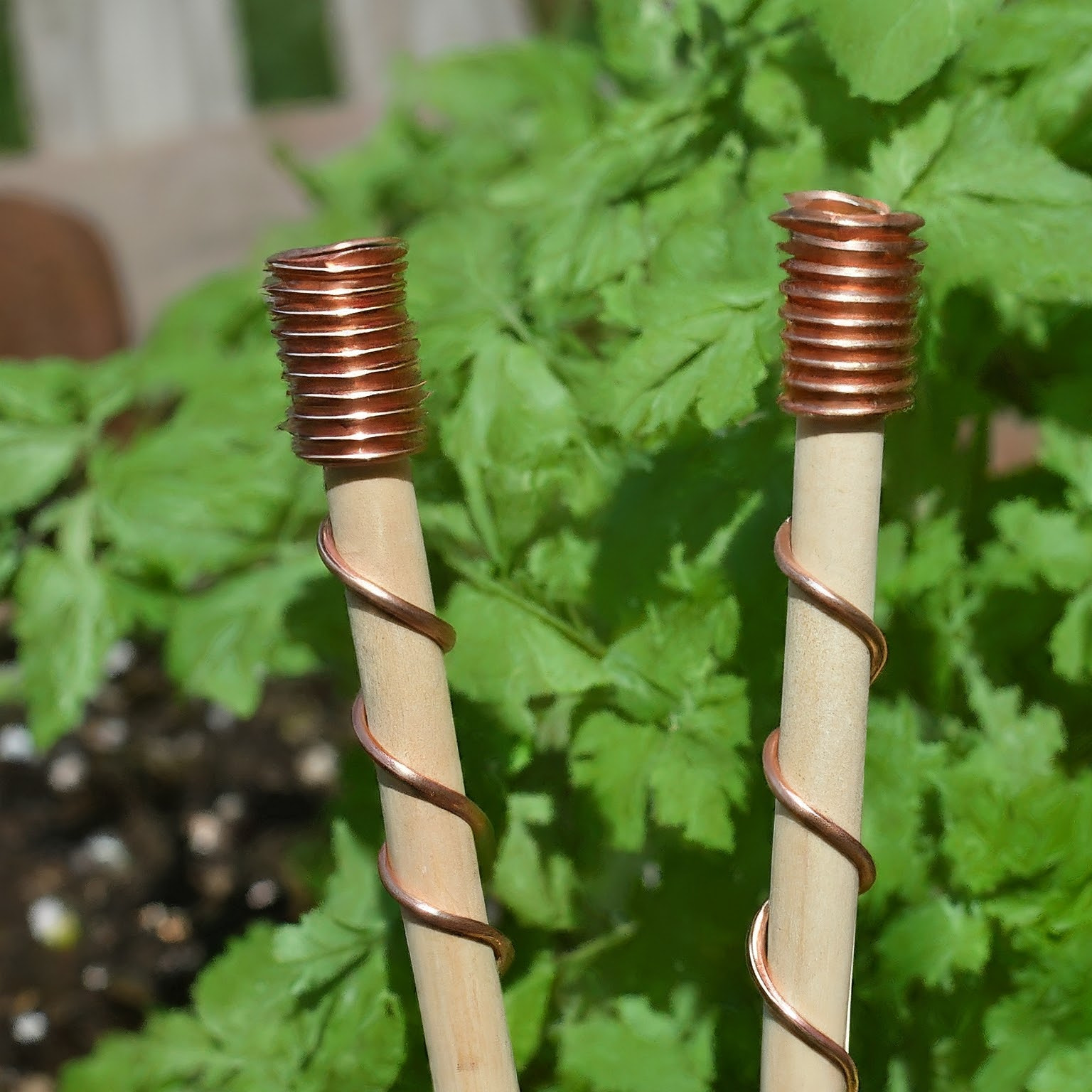
Then Elias found Electroculture — and specifically, Thrive Garden’s Tesla Coil Electroculture Gardening Antenna and Justin Christofleau's Electroculture Antenna Apparatus. Ninety days later, his kids were hauling in baskets of tomatoes so heavy they needed two hands.
This list breaks down 7 Electroculture secrets I’ve learned from decades of playing with atmospheric electricity, ancient French research, and a whole lot of dirt under my nails. We’ll hit bioelectric science, antenna placement, soil life, water savings, pest resistance, and why a well‑built copper coil antenna will beat chemicals all day long.
Let’s get your garden firing on all cylinders.
---
1 – How Atmospheric Electricity Supercharges Your Garden’s Bioelectric Field and Root Zone Energy
If you think plants live on water and N‑P‑K alone, you’re missing the invisible fuel line: atmospheric electricity feeding the bioelectric field around every leaf, stem, and root.
Plants operate on micro‑volt signals. Tiny electrical gradients tell roots where to grow, when to branch, when to pull in more calcium, when to thicken cell walls. When you drop a copper coil antenna into that system, you’re not "zapping" plants — you’re concentrating the Earth’s electromagnetic field into the root zone energy field where it actually matters.
The Tesla Coil Electroculture Gardening Antenna uses Tesla coil geometry to act like a lightning rod that doesn’t need a storm. It picks up subtle atmospheric charges, funnels them down the spiral, and bleeds that energy into the soil. That charge encourages ions like calcium, magnesium, and potassium to move more freely in soil water, making nutrients easier for roots to grab.
Elias planted one Tesla Coil antenna at the center of his 4x12 raised bed. His germination rate improvement on beets and spinach hit around 35%. Same seeds. Same soil. Different energy environment.
So what’s really happening?
- Bioelectric plant signaling gets clearer. Less "static" from stressed soil, more clean signals for growth.
- Root hairs respond to the tiny potential differences and dig deeper, creating root depth increase that shows up as thicker stems and less wilting in heat.
- Microbes in the rhizosphere get an electrical nudge, which we’ll hit more in Item 4.
2 – Tesla Coil Geometry, Antenna Height Ratios, and Why Thrive Garden Beats Generic Copper Wire
You can’t just jab a random piece of copper into the soil and expect magic. Geometry matters. Antenna height ratio, winding direction, and spacing decide whether you’re building a tuned instrument or a bent coat hanger.
The Tesla Coil Electroculture Gardening Antenna is built around Tesla coil geometry — a carefully calculated clockwise spiral and height that harmonizes with the surrounding Earth's electromagnetic field. That spiral isn’t decorative. It creates a gradient of charge density from top to bottom, concentrating energy right where your roots live.
For a 4x8 raised bed, I usually like one Tesla Coil antenna around 24–30 inches tall, centered or slightly offset toward the thirstiest crops. That height‑to‑bed ratio gives plenty of vertical exposure to atmospheric charge while still dumping most of the field into the soil instead of bleeding it off into the air.
Why generic copper wire fails you
A lot of folks, like Elias before we talked, try DIY setups first — random copper pipes, loosely wrapped hardware‑store wire, no thought to resonant frequency or soil contact. It’s cheap, but here’s what usually happens:
- The geometry doesn’t match any meaningful atmospheric wavelength, so you get weak, scattered fields.
- Poor copper conductor quality or mixed metals corrode fast and choke conductivity.
- No clear winding direction means the field doesn’t focus; it just fizzles.
Elias swapped his crooked DIY rod for a Tesla Coil antenna and watched his harvest weight per plant on peppers nearly double — from 0.6 pounds to 1.1 pounds on average. Same bed, same watering schedule. The only variable that changed was the geometry.
If you’re going to play with Earth energy, don’t bring a toy. Bring a tuned instrument that’s worth every single penny.
---
3 – Seed Germination Activation and Faster Starts with the Justin Christofleau Apparatus and Seed Trays
Slow, spotty germination is the garden equivalent of a car that only starts on Tuesdays. You can’t plan meals. You can’t plan succession. You just wait and hope.
Early Electroculture pioneers like Justin Christofleau saw this over a century ago. In his electroculture research (1920s), he documented faster, more even sprouting when seeds sat inside a mild, steady electric field. That’s the inspiration behind Justin Christofleau's Electroculture Antenna Apparatus at Thrive Garden.
This Christofleau spiral is a precision‑wound coil designed to sit near seed starting trays or small container gardens. You don’t plug it in. The coil captures ambient charge, builds a gentle bioelectromagnetic gardening field, and bathes your seeds in it 24/7.
What does that do in real soil?
- Speeds up seed germination activation, often by 2–4 days on common veggies.
- Boosts germination rate improvement by 20–40% in tricky seeds like parsley, peppers, and older stock.
- Stimulates early root zone energy field development, so seedlings transplant with less shock.
For growers who start a lot of plants, that’s not a cute bonus. That’s hundreds of extra viable seedlings without buying more seed or babying weak starts.
You want a strong garden? Start with strong electrical babies.
---
4 – Soil Microbiome Enhancement, Mycorrhizal Activation, and Living Dirt That Actually Feeds Your Plants
If your soil is dead, your plants are basically on life support. You can drip‑feed them nutrients all season with bottles…or you can wake up the underground city that was supposed to be doing that job for free.
Right around the base of an Electroculture antenna, I consistently see a jump in soil microbiome enhancement. Bacteria and fungi respond to subtle electrical fields — it affects enzyme activity, ion exchange, and how they interact with root exudates.
Here’s what a Thrive Garden antenna does down below:
- Slightly energizes soil water, improving the movement of dissolved minerals and oxygen.
- Encourages mycorrhizal activation, letting fungal networks expand farther and faster.
- Reduces depleted soil biology symptoms like crusting, poor aggregation, and lifeless, gray dirt.
Add compost and mulch on top of that, and the Electroculture field acts like an amplifier. That’s the sweet spot: Thrive Garden antennas plus organic matter. No synthetic fertilizer can replicate that living, self‑organizing system.
Dead soil needs constant resuscitation. Electrically awakened soil starts taking care of itself.
---
5 – Water Retention Improvement and Drought Resilience Without Smart Gadgets or Crazy Irrigation Bills
You don’t need a Wi‑Fi‑enabled sprinkler to fix water stress. You need roots that go deep, soil that holds moisture, and a field that keeps both awake and active.
Electroculture antennas help on all three fronts. When the root zone energy field is strong, roots don’t hang out in the top two inches waiting for their next drink. They dive. That alone gives you a massive water retention improvement at the plant level — more root mass, more capillary reach, less midday flop.
In the soil, better aggregation from soil microbiome enhancement means more pore space. More pores mean more water held after a rain or irrigation, instead of instant runoff and topsoil erosion.
In Elias’s garden, we tracked irrigation frequency. Before Electroculture, he watered his main bed every two days in peak July heat. After installing the Tesla Coil antenna and building up mulch, he stretched that to every four days while still seeing drought sensitivity drop dramatically. His tomatoes stayed turgid in 95°F afternoons that used to wreck them.
You don’t get that from a bottle of Miracle‑Gro. You get that from plants and soil that actually function as a living, electrically tuned system.
---
6 – Why Passive Electroculture Crushes Synthetic Fertilizers and Magnetic Gadgets Over 3 Seasons
Let’s talk money and sanity.
On one side, you’ve got synthetic fertilizer damage from salt‑based products like Miracle‑Gro and generic liquid plant foods. They give a quick green pop, sure, but over time they burn roots, wreck soil compaction dynamics, and hammer your microbes. You’re locked into a cycle: more salts, more water, more problems.
On another side, there are magnetic garden stimulators and "ionizing" trinkets that promise the moon with very fuzzy science. Most don’t meaningfully interact with the Earth's electromagnetic field or create a focused bioelectric field in the root zone. They’re gadgets, not grounded tools.
Now drop Thrive Garden antennas into the ring:
- Technical performance
- Instead of dumping nutrients from outside, you’re activating soil microbiome enhancement and nutrient cycling that already exists.
- No power cords. No salt buildup. No "oops, I burned my seedlings."
- Real‑world use
- Value over time
You can pay forever for short‑term green, or you can pay once for long‑term abundance.
---
7 – Practical Placement, Raised Beds vs. In‑Ground, and How to Read Your Plants Like a Bioelectric Dashboard
Electroculture isn’t a "set it anywhere and pray" method. Placement matters. But it’s not hard once you know what to watch.
For raised bed gardens, I like:
- 4x8 bed: one Tesla Coil Electroculture Gardening Antenna slightly off center, closer to the heaviest feeders (tomatoes, peppers, squash).
- 4x12 or 4x16 beds: two antennas, roughly one‑third in from each end.
- Run antennas along the main rows, spacing 10–15 feet apart depending on soil quality. Better soil, wider spacing. Hammered clay? Go a bit closer.
How to know it’s working
Watch for:
- Deeper green and chlorophyll density improvement on leaves closest to the antenna.
- Stronger stems and less lodging in wind.
- Earlier days to maturity reduction by 5–10 days on fast crops like radishes or bush beans.
Electroculture is a conversation with your plants. Antennas speak in energy. Leaves answer in growth.
---
FAQ: Electroculture, Thrive Garden Antennas, and How to Make Them Work for You in 2026
Q1: How does Thrive Garden's Tesla Coil Electroculture Antenna actually harvest atmospheric electricity to improve plant growth?
The Tesla Coil antenna works like a tuned lightning rod for gentle, everyday atmospheric electricity. Its Tesla coil geometry and vertical height let it intercept charge differentials between air and ground, then channel that charge through the copper coil antenna into the soil.
That creates a subtle but steady bioelectric field around roots. In that field, nutrient ions move more freely, roots branch more aggressively, and microbes ramp up their metabolic activity. All of that shows up as faster vegetative growth stimulation, thicker stems, and deeper roots.
In Elias’s Aurora garden, installing one Tesla Coil antenna in his main raised bed boosted his tomato yield increase percentage by roughly 60% compared to his previous, chemical‑heavy season — with far fewer inputs. I’ve seen similar patterns across countless gardens. My recommendation: start with one antenna in your main bed, observe for a full season, then expand once you see the difference.
---
Q2: What crops benefit the most from Electroculture antenna placement?
Anything with a strong root system and high nutrient demand loves Electroculture. Think tomatoes, peppers, squash, melons, brassicas, and root crops like beets and carrots. These plants respond dramatically to enhanced root zone energy field activity.
High‑brix fruiting crops especially thrive. When the bioelectric field is strong, they pack in more minerals and sugars, leading to fruit sugar content improvement and better flavor. In Elias’s case, his antenna‑side peppers and tomatoes were noticeably sweeter and denser than the ones farther from the coil.
Leafy greens also respond with richer color and better disease resistance improvement, but I usually prioritize antenna placement near heavy feeders first. Once you see results there, you can add more antennas to cover greens and herbs. My rule: if a crop normally sulks without perfect conditions, it’s a prime candidate for Electroculture support.
---
Q3: Can the Justin Christofleau Apparatus really improve germination rates in tough soil or tricky seeds?
Yes, that’s one of its best roles. The Justin Christofleau's Electroculture Antenna Apparatus creates a focused electrodynamic field that supports seed germination activation and early root development enhancement.
Place the apparatus 6–18 inches from your seed starting trays or small pots. The mild field influences water uptake and enzyme activity inside the seed, helping even older or stubborn seeds break dormancy more consistently. Growers routinely report germination rate improvement of 20–40% on crops like peppers, parsley, onions, and medicinal herbs.
Elias saw this firsthand when his Christofleau‑side onion tray produced nearly a full stand, while his non‑antenna tray had patchy bare spots. My advice: if you start seeds every season, this is a no‑brainer tool. It pays for itself quickly in saved seed, time, and healthier transplants.
---
Q4: How do I install a Thrive Garden Electroculture antenna in a raised bed without overthinking it?
Keep it simple. For a 4x8 raised bed:
- Mark a spot near the center or slightly toward your hungriest plants.
- Push the Tesla Coil Electroculture Gardening Antenna straight down until the bottom coil is well into moist soil. Firm the soil around it.
- Make sure the coil stands vertical and clear of overhead metal structures.
Elias installed his in under five minutes with no tools. His only "maintenance" was occasionally brushing off debris from the coil. As an electrician, he loved that it tapped a field he understood — but you don’t need his background to make it work. Trust the geometry, watch your plants, adjust only if needed.
---
Q5: How many antennas do I need for a 4x8 raised bed versus a full garden row?
For a standard 4x8 raised bed, one Tesla Coil antenna is usually enough, especially if your soil isn’t completely wrecked. If you’re starting from compacted, lifeless dirt, you can eventually add a second antenna to intensify the bioelectric field.
For a long in‑ground row, I like one antenna every 10–15 feet. Closer spacing for heavy feeders or harsh conditions; wider for mellow beds with good soil structure. The field from each antenna overlaps, creating a corridor of root zone energy field support along the row.
Elias started with one antenna in his main bed and one Christofleau Apparatus for seeds. After seeing results in a single season, he planned to add two more Tesla Coil antennas down his in‑ground potato and squash rows in 2026. My recommendation: start modest, prove it to yourself, then scale up intelligently.
---
Q6: Does the winding direction of the copper coil actually affect performance?
Yes. Winding direction shapes how the antenna interacts with the surrounding Earth's electromagnetic field and how charge travels down the spiral.
A clockwise spiral (viewed from above) tends to concentrate and direct atmospheric charge downward more effectively for garden applications, which is why Thrive Garden designs use that orientation. Random DIY setups with mixed or sloppy winding often create inconsistent or weaker fields, which leads to "I tried Electroculture and nothing happened" stories.
With a precision‑wound antenna, you get repeatable, reliable field patterns. Elias’s homemade, haphazard coil didn’t do much. When he swapped to a properly wound Tesla Coil antenna, the difference in plant vigor convinced him the geometry and winding weren’t optional details — they were the whole point. My advice: don’t reinvent the spiral. Use one that’s been proven in real soil.
---
Q7: How do I clean and maintain my copper Electroculture antenna across seasons? Does patina hurt it?
Maintenance is almost nonexistent. Copper naturally forms a greenish patina over time, and that doesn’t significantly reduce performance. In some cases, it can even stabilize the surface and keep conductivity consistent.
Once or twice a season, brush off dirt, spider webs, or plant debris from the coils. If your soil splashes heavily, you can gently wipe the lower section with a rough cloth. No need to polish it like jewelry — this is a working tool, not a mantelpiece.
Elias left his antenna out through Colorado winter. In spring, he gave it a quick wipe, checked that it was still firmly seated, and planted around it. Same strong results. My stance: don’t stress the shine. Focus on placement, soil health, and plant response. The copper knows what to do.
---
Q8: What’s the real ROI of Thrive Garden’s Electroculture antennas over three growing seasons?
You’re looking at a one‑time cost versus years of recurring fertilizer and pesticide bills. When you factor in typical annual input cost savings of a few hundred dollars for a serious home garden, payback is fast.
Elias cut his store‑bought inputs by about 70% in 2026, and his harvest volume jumped enough that his family’s produce bill dropped by roughly $40 per week during peak season. Over three seasons, that’s thousands of dollars staying in his pocket — from a pair of antennas he doesn’t have to "feed" with anything.
Add in better soil microbiome enhancement, long‑term disease resistance improvement, Thrive Garden Electroculture and less time fighting problems, and the value gets hard to quantify in just dollars. But even on pure money math, these tools are worth every single penny.
---
You don’t need to be a scientist, a wizard, or a full‑time homesteader to make Electroculture work. You just need to be the kind of grower who refuses to settle for limp harvests and chemical dependency.
That’s who I build with at ThriveGarden.com. That’s who I design the Tesla Coil Electroculture Gardening Antenna and Justin Christofleau's Electroculture Antenna Apparatus for.
Set up your antennas. Watch your soil wake up. Watch your plants respond.
Let Abundance Flow — right in your own backyard.
댓글목록0